
The Future of Chatbots: Trends for 2024
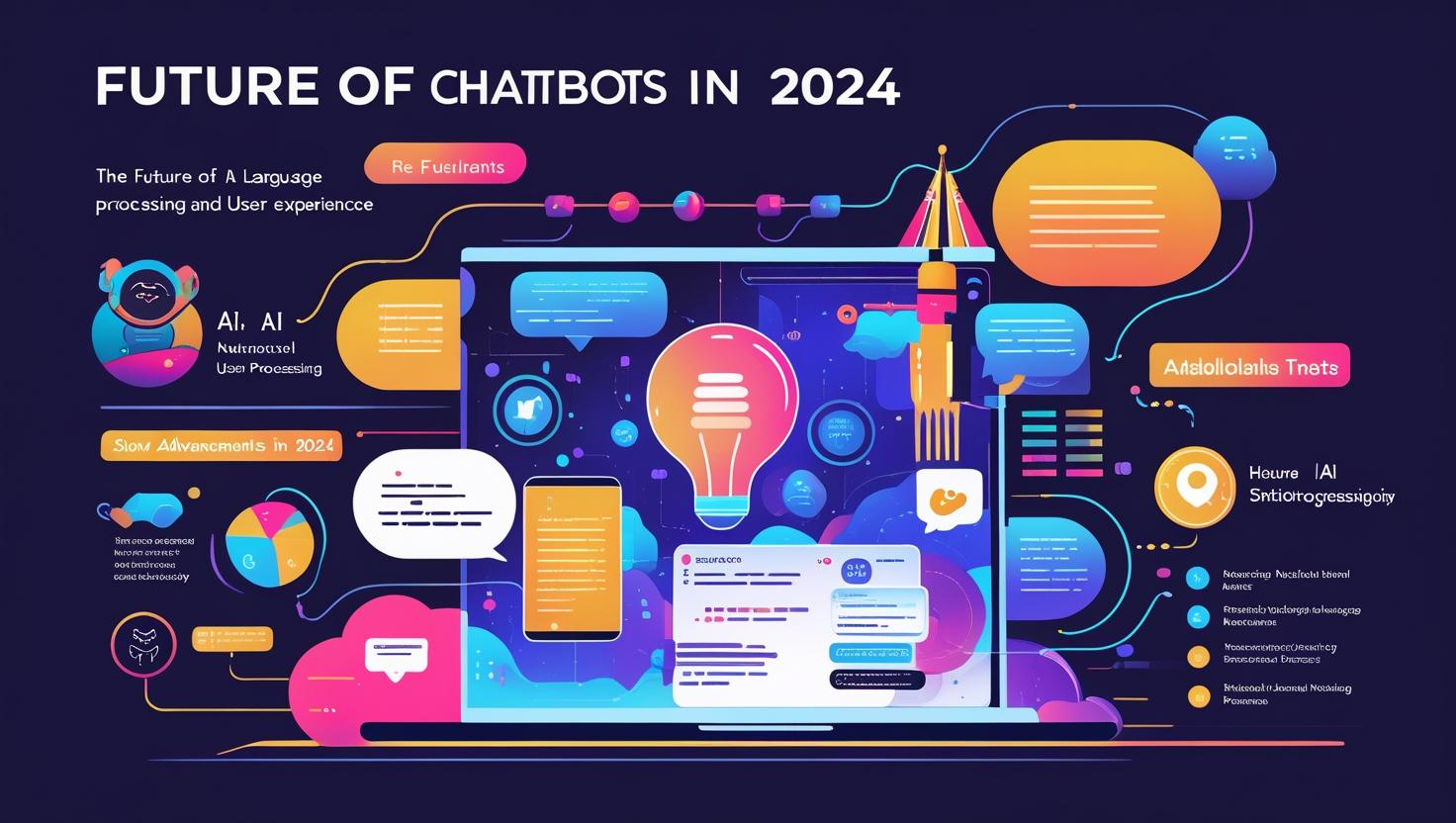
🤖 Chatbots have evolved tremendously by 2024, moving far beyond scripted responses to deliver real-time, intelligent, and highly personalized user experiences.
💬 AI-powered chatbots now understand user context, preferences, and intent enabling them to offer tailored recommendations, responses, and follow-ups that feel human-like and proactive.
🎙️ Voice-enabled chatbots are reshaping how users interact across platforms. From mobile apps to smart assistants and in-car systems, conversational AI is expanding beyond text to serve users in hands-free environments.
📲 Integration with CRM, ERP, and customer service platforms is now standard. Businesses leverage chatbots for:
• Lead generation and qualification
• 24/7 customer support
• Personalized follow-ups and cross-sell opportunities
• Automating FAQ, onboarding, and ticket resolution
⚙️ With low-code/no-code chatbot development platforms like Dialogflow CX, Tidio, Landbot, and Microsoft Power Virtual Agents, companies can deploy sophisticated bots faster and at lower cost even without deep technical teams.
📊 Chatbots are also becoming data-driven. Integration with analytics tools allows brands to monitor interactions, measure sentiment, and optimize conversations continuously for higher engagement and improved ROI.
🧠 Generative AI is powering the next wave of chatbot innovation. Models like GPT-4 and Claude 3 dramatically enhance bot fluency, allowing for open-ended conversations, contextual memory, and better error recovery.
🔐 Security and compliance are top concerns for chatbot adoption in regulated industries. Advanced bots now support encrypted sessions, built-in consent handling, and integration with identity management systems.
🌍 Multilingual capabilities are standard across modern chatbot platforms, making it easier for global brands to serve customers in their preferred language with real-time translation and localized flows.
📈 Looking ahead, chatbots are expected to play key roles in hyper-personalized commerce, mental health support, education, and employee experience transforming how humans interact with digital systems.
In conclusion, the future of chatbots lies in creating deeply human-centric experiences blending AI, automation, and empathy to deliver value at every digital touchpoint.

Caxtra
Company
Related Articles
OpenClaw & Generative Code Engines 2026 | Compare AI Code Tools
A detailed comparison of generative code engines such as OpenClaw, Claude Code, Copilot X, and others to help developers choose the right tool for 2026.

Claude Code & Next-Gen AI Coding Assistants 2026 | Boost Developer Productivity
Explore the rise of Claude Code and next-gen AI coding assistants like OpenClaw, GitHub Copilot and other tools that are reshaping how developers build software in 2026.