
Edge AI in 2026 | Private, Fast, On-Device Intelligence for Real-Time Workloads
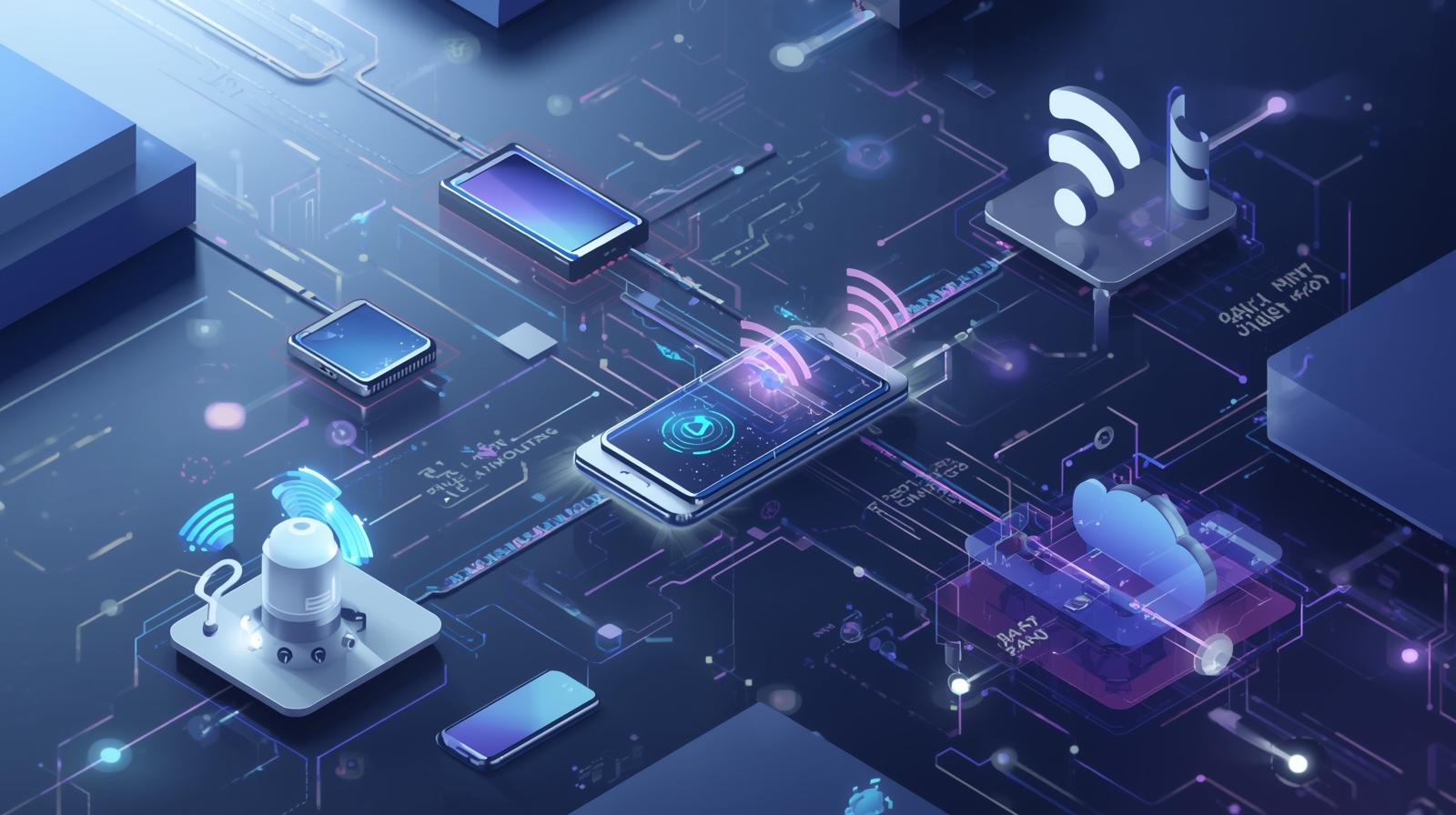
Edge AI shifts AI workloads closer to where data originates. Instead of processing everything in the cloud, inference happens directly on devices, sensors, laptops, and vehicles.
🔥 Why Edge AI Is Accelerating
- Lower latency for real-time tasks
- Reduced cloud costs for inference
- Better privacy and sovereignty controls
- Minimal reliance on connectivity
- On-device NPUs and GPUs ramping performance
🚀 1) Key Edge AI Use Cases
- Automotive driver assistance and vehicle autonomy
- Industrial IoT predictive maintenance
- Mobile personal intelligence on phones
- Retail offline visual checkout systems
- Healthcare local diagnostics and imaging
⚙ Deployment Architecture Considerations
- Model quantization and compression
- Secure enclaves and encrypted execution
- Hybrid cloud-edge orchestration patterns
- Telemetry pathways for feedback and evaluation
Final Take
Edge AI unlocks low-latency intelligence and privacy-by-design architectures. In 2026, organizations will mix cloud and edge deployments for performance, safety, and cost balance.

Caxtra
Company
Related Articles

AI Chip Manufacturing Race Heats Up: TSMC, China & Global Supply Chain Battle in February 2026
TSMC dominates 75% of advanced AI chips while China triples production to challenge Nvidia dependency. The global AI chip manufacturing race defines 2026 compute capacity.

Physical AI & Robotics: The Hottest AI Trend Exploding in February 2026
Physical AI is transforming robotics from scripted automation to intelligent, adaptive systems that learn, navigate, and collaborate with humans in real environments.